Homebrewing Dictionary
Not all of us are able to – or wants to – grow a beard but one thing we can do to improve our homebrewing achievements is to get to know the lingo that unlocks the secrets to understanding brew recipes, brewing methods and the discussions amongst the brewing community.

Not all of us are able to – or wants to – grow a beard but one thing we can do to improve our homebrewing achievements is to get to know the lingo that unlocks the secrets to understanding brew recipes, brewing methods and the discussions amongst the brewing community.
Here’s a handy list of the homebrewing basics to get you started and demystify this ancient and magnificent craft. This article was first published in MASHED! – our home brewing magazine, which is available free to all our Hop Club subscription members.
Adjuncts
Unmalted grains, spices and flavourings which are added to the Mash.
All grain brewing
Basically the same method of brewing used by commercial breweries but on a smaller scale. Differs from extract brewing in that you create your own wort from crushed, malted grains and hot water. Provides more creative freedom than extract brewing so you can make a brew specific to your personal tastes or mimic a favourite commercial brew. And so much more fun!
Alpha Acids (AA)
The acids in hops which determine the bitterness of your brew. Expressed as a percentage of the total weight of the hop, usually in the range of 2%–18%.
Aerating
The oxygenation of boiled wort. This is done to fuel the yeast with enough oxygen for it to reproduce and ferment nicely.
Aroma Hops
These hops are low in alpha acids (3%–9%) and are used to provide flavour rather than bitterness. These are added after about 30 minutes into the boil.
Bittering Hops
As the name suggests, these hops are higher in alpha acids (5%–13%) and are used to add bitterness to your brew. Bitterness hops are added at the start of the boil.
Boiling
Using a boil kettle or ‘copper’ this is the process where the wort is infused with the bitterness, aroma and flavours of the hops. Boiling also sterilises and concentrates the wort.
BrewZilla
Compact single vessel all grain home brewing system. Makes all grain homebrewing quicker and easier with less mess!
Carbon dioxide (CO2)
Adds bubbles and mouthfeel to your brew. Created naturally over time in bottle or by force carbonating with a CO2 bottle/cartridge.
Conditioning
After primary fermentation, allowing your brew to condition in a bottle, barrel, keg or cask encourages it to develop flavour and carbonation.
Conical Fermenter e.g. FermZilla
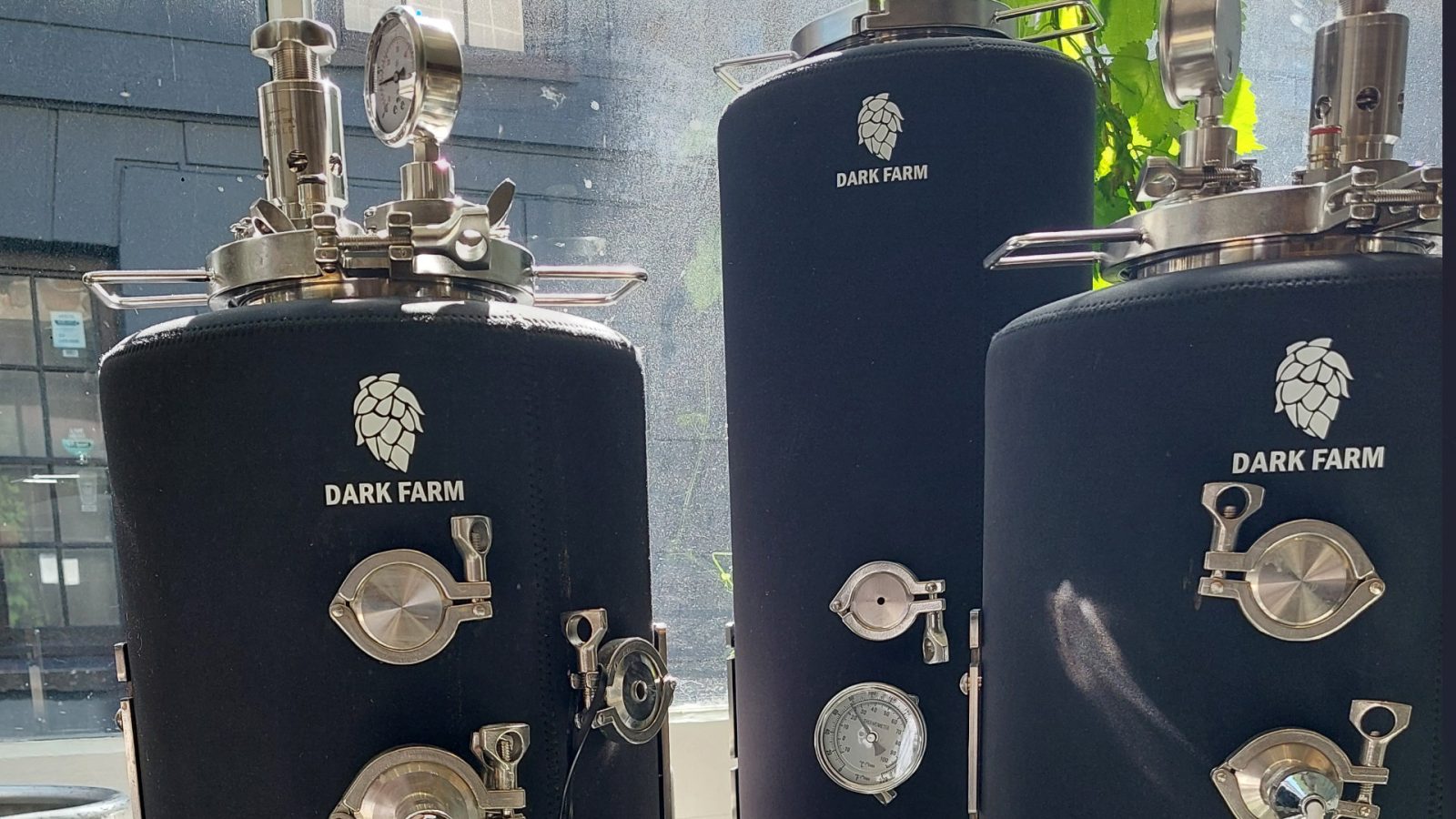
Used for primary fermentation the conical shape brews a better, cleaner beer compared to traditional flat bottomed bucket style fermentors. Also allows you to harvest your yeast for re-use.
Extract Brewing
A popular gateway into brewing for new brewers. Concentrated Malt Extract allows you to skip the mashing process, and move directly to the boil and fermentation steps. Considerably quicker and requires less equipment than All Grain brewing but offers less creative freedom and often less tasty brews.
Fermenting
The process where the sugars in your brew are converted into alcohol and carbon dioxide (CO2).
Final gravity (FG)
Specific gravity of fermented beer. Used to calculate ABV.
Finings
Used to clarify unfiltered beer by removing yeast and protein haze. Examples include Irish moss (suitable for vegetarians and vegans) or isinglass (obtained from fish).
Flameout
When you turn off the heat source to stop the wort boiling.
Flocculation
Occurs towards the end of the fermentation process when yeast cells cluster together and either float to the surface of the liquid or sink to the bottom as sediment.
Flow control tap
Used on a mini keg to regulate the flow of beer to control the head on your brew.
Force Carbonating
Directly infusing carbon dioxide into beer from a CO2 cartridge or bottle. A much quicker alternative to carbonating your brew in bottle.
Grist
Crushed grain used for mashing.
IBU – International Bitterness Units
The gauge to measure the bitterness of a brew. Beer’s measured IBU is between 5 (very low in bitterness) up to 120 (very high). Most beer is between around 15 – 80 IBU.
Krausen (pronounced kroy-ZEN)
The foamy head of yeast and proteins that forms on the wort at the peak of primary fermentation.
Late editions / dry hopping
Adding hops to the cooled wort for additional flavour and aroma (rather than bitterness). Can added to primary or secondary fermenter or directly to keg.
Lautering
Process of separating the sweet wort from the mash. Consists of 3 steps: Mashing Out, Recirculating and Sparging.
Mashing / Mash
The first stage of the brewing process where crushed grains are mixed with hot water to form a porridge-like mixture called the “mash.”
Mashing Out
Halting enzyme action (preserving your fermentable sugar profile) by sharply raising the temperature of the liquid at the end of the infusion before lautering.
Mash Up
Slang: the process of brewing beer.
Mini keg
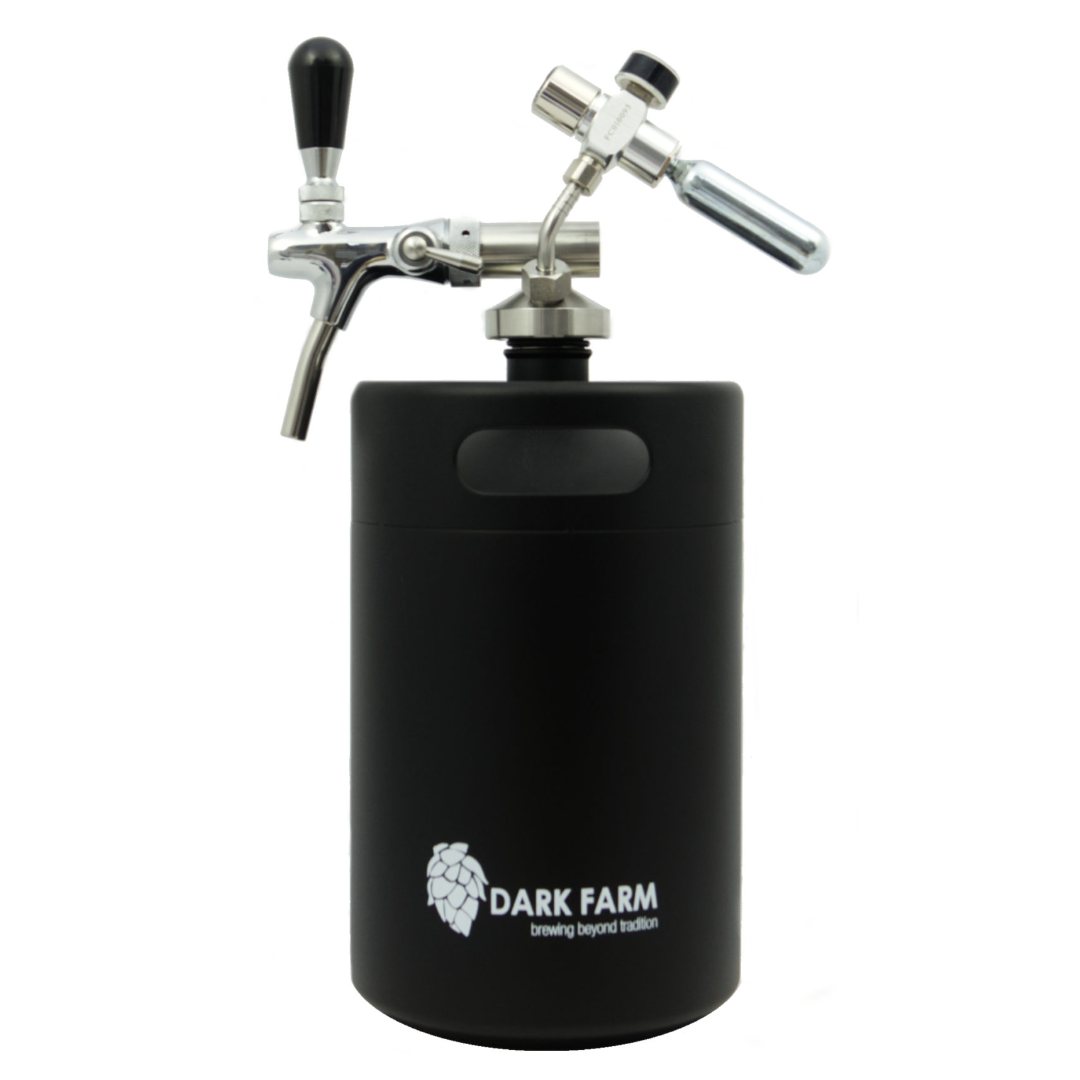
Awesome and convenient alternative to bottling your brew, saving lots of time on bottle washing and storage. Tolerates high pressure so ideal for priming. A CO2 draught dispenser allows you to force carbonate your brew to create your perfect pint.
Original gravity (OG) – also called original extract
Specific gravity of unfermented wort. Used to calculate ABV.
Pitching
Adding yeast to wort.
Priming
Adding sugar, malt extract or yeast to wort before bottling to promote carbonation in the bottle.
Primary fermentation
Begins when yeast is introduced into cooled, aerated wort. Leave your brew in either a fermenting bucket or conical fermenter for flavours, alcohol and CO2 to develop (and sugars to decrease) as the yeast works its magic. The time taken for this stage varies but as a rough guide reckon on about 10-14 days.
Racking
Syphoning wort from a fermentor to priming vessel (or primary fermenter to a second).
Recirculating
Circulating the existing water in the tun to rinse the grainbed. Part of the Lautering process.
Sanitiser
Cleansing liquid used to sterilize homebrewing equipment, kegs and bottles before use. Vital to prevent bacterial infection of your brew!
Secondary fermentation
Occurs when the brew has gone through the primary fermentation stage and has been transferred to another container such as a glass carboy for anything up to several months, depending on the type of brew. This process allows flavours to develop as the final sugars are depleted.
Sparging
Sprinkling fresh water over the grain bed as part of the Lautering process.
Specific gravity
A liquid’s density compared to water. Measured at the beginning (OG) and the end (FG) of fermentation to calculate the ABV (alcohol by volume) of your brew.
Trub
Waste product in boil kettle and fermenter consisting of dead yeast cells, proteins and hop particles.
Whirlpool
Process of spinning at high speed the post-boil wort to separate hop fragments and other solid particles from the hot liquid.
Wort
Sweet liquid containing fermentable sugars taken from the tun after the mash.