How Pressure Affects Hop Expression
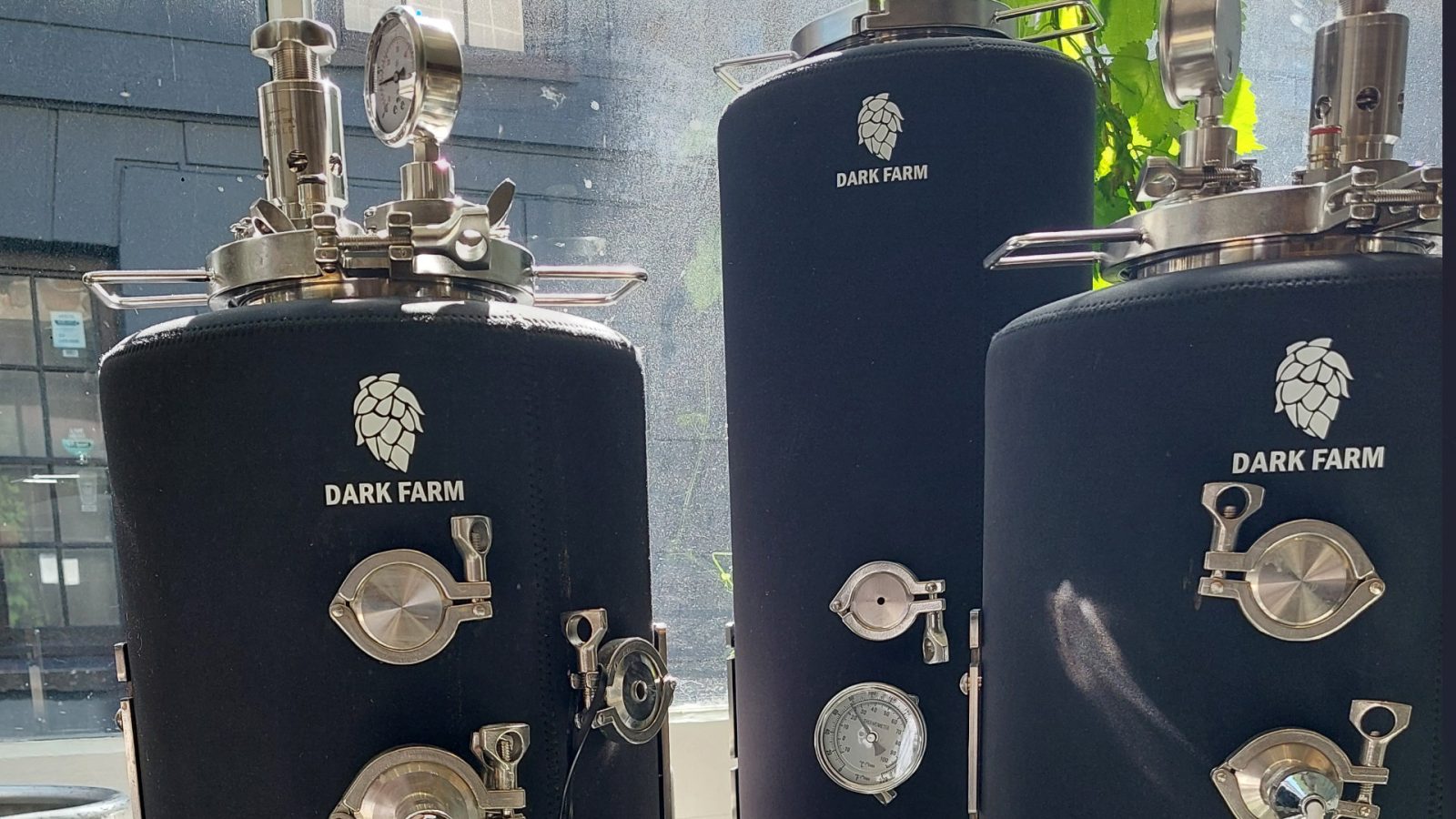
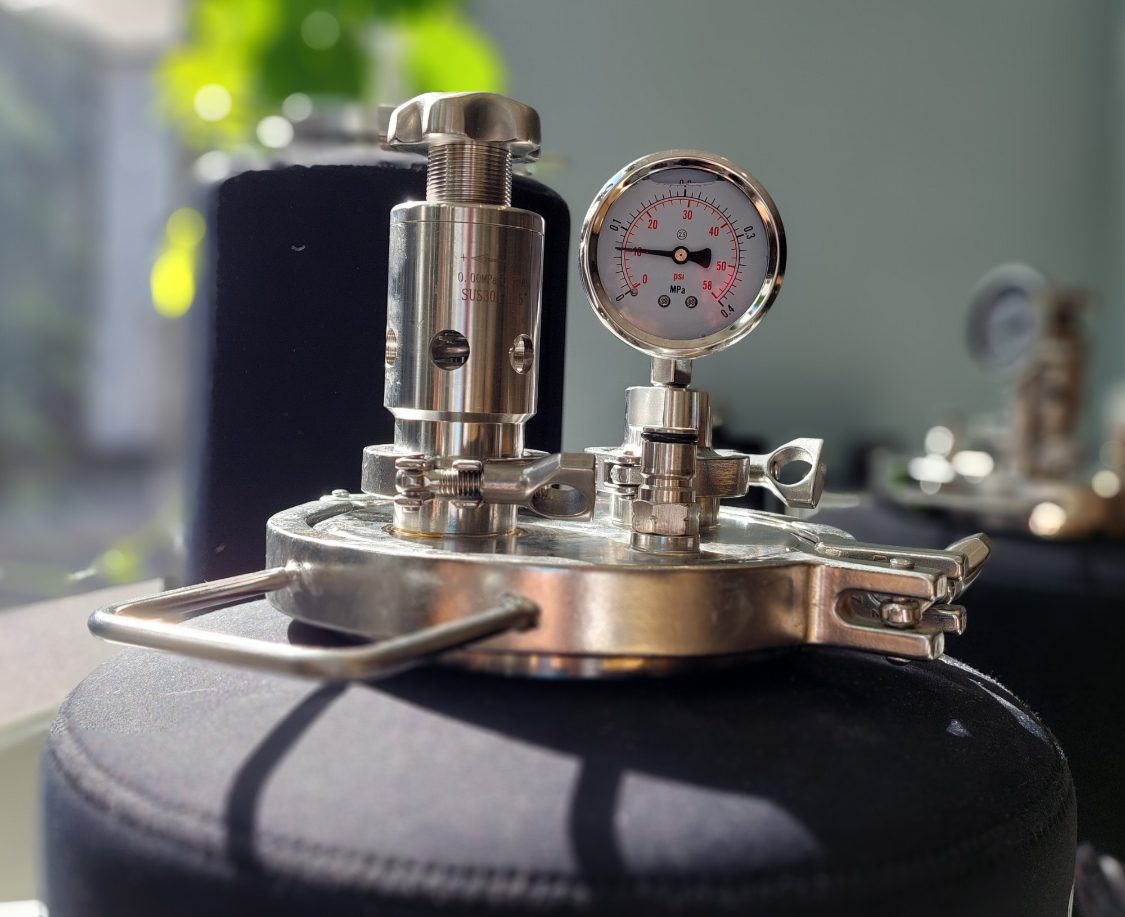
Hop aroma and flavour are significantly impacted by fermentation conditions. Under pressure, volatile hop compounds such as myrcene and linalool are better preserved, leading to more pronounced aromatic intensity. Reduced ester production ensures the hops take centre stage without excessive yeast-derived fruitiness. Additionally, minimal oxygen exposure helps retain delicate hop oils that would otherwise degrade over time. This technique is particularly effective for West Coast IPAs and juicy NEIPAs, where vibrant hop character is crucial.
Influencing Mouthfeel & Carbonation
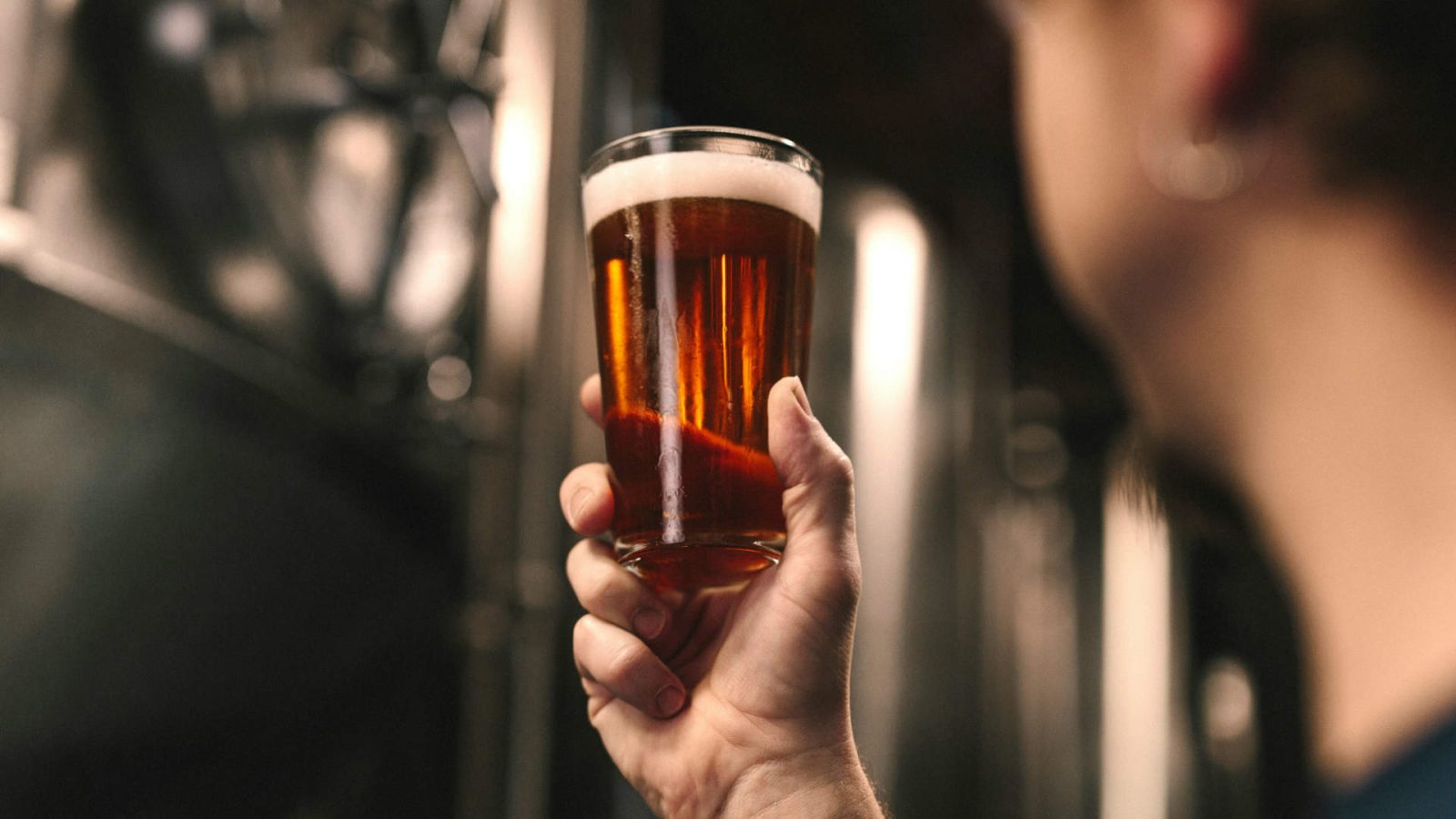
Brewing IPAs under pressure leads to noticeable differences in body and texture. Naturally higher carbonation results in a smoother, silkier mouthfeel without amplifying bitterness. Reduced production of fusel alcohols and unwanted esters creates a cleaner finish, and more consistent attenuation prevents excessive sweetness, ensuring better balance between fruitiness and bitterness. In hazy NEIPAs, this technique helps maintain a soft, pillowy texture without introducing cloying flavours.
Read the rest with MASHED Magazine
This article is for subscribers. Subscribe for the printed magazine through your door plus every article and recipe online.
Subscribe
Log in Brew Club members get the magazine too.