Among these, pH levels play a pivotal yet often underestimated role in ensuring the quality, flavour, and stability of the final product. Let’s dive into the significance of pH in the brewing process and why it’s critical for every brewer to keep it in check.
What is pH?
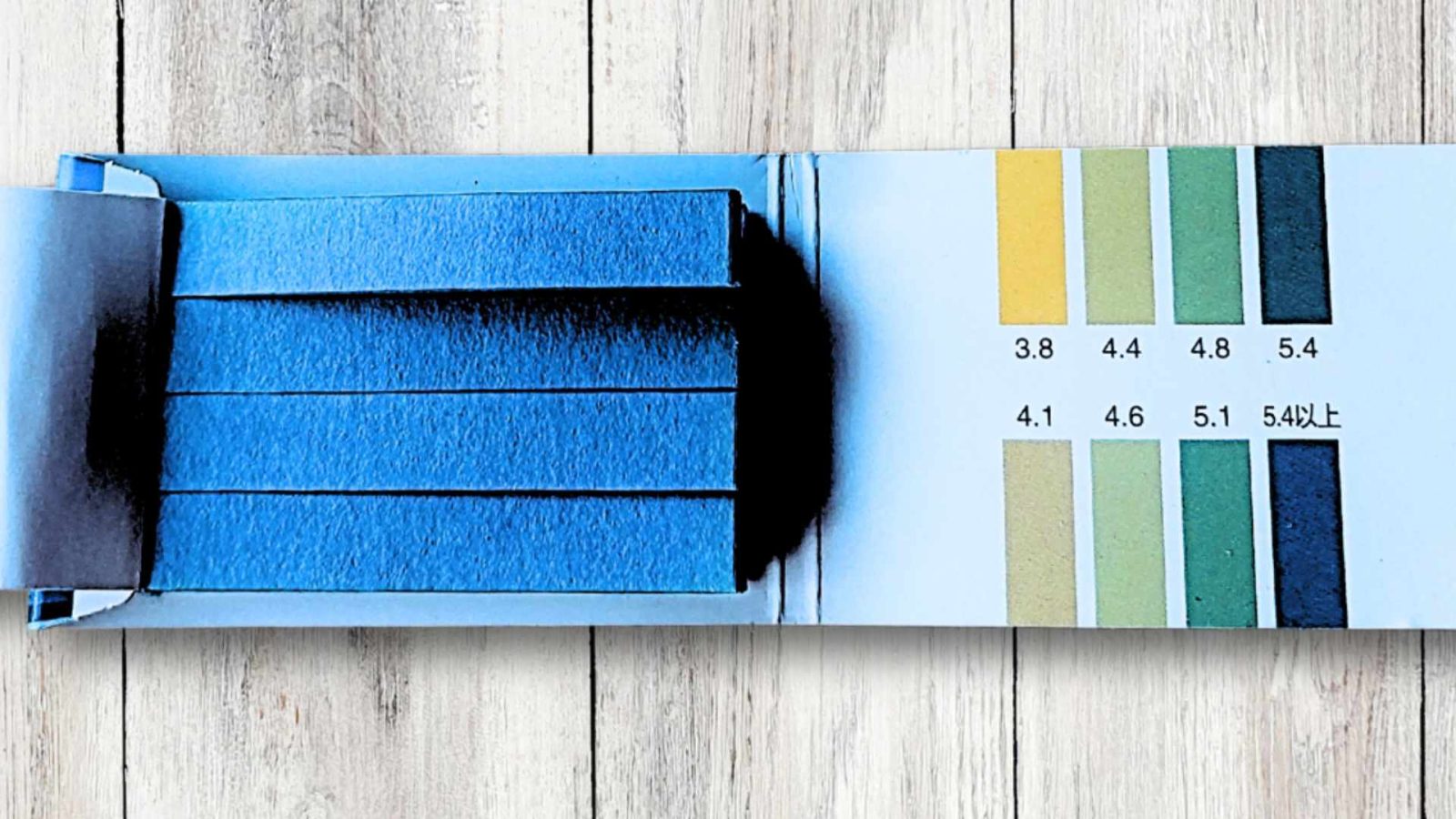
pH measures the acidity or alkalinity of a solution on a scale from 0 to 14. Pure water has a neutral pH of 7, while anything below 7 is considered acidic, and anything above is alkaline. In brewing, specific pH levels are essential at various stages of the process to create an ideal environment for enzymatic activity, yeast health, and flavour development.
Read the rest with MASHED Magazine
This article is for subscribers. Subscribe for the printed magazine through your door plus every article and recipe online.
Subscribe
Log in Brew Club members get the magazine too.